
Home4All: A Fresh Approach to Supporting People with Mild Cognitive Impairment


Home4All on the Kapiti Coast offers a personalised, non-clinical day care programme for those with a confirmed diagnosis of early-stage dementia. It offers a safe, home-like farm setting. Inspired by the Green Care Farms movement in the Netherlands, its approach focuses on what people can do, not what they have lost, supporting independence, dignity, connection and enjoyment.
Its philosophy is simple: meaningful activity, social connection and a supportive environment can help people feel valued and engaged. Activities are tailored to each person and may include gardening, animal care, art, workshop projects, shared meals and gentle outdoor exercise. Until this year Home4all was exclusively focused on people with dementia. This month the organisation has broadened to include a new and groundbreaking pilot programme.

A new pilot programme
Home4All, in collaboration with Waikanae Health Centre, has recently begun a six-week pilot programme for people diagnosed with Mild cognitive impairment.
Mild cognitive impairment is diagnosed when there are changes to memory and thinking that are more than expected normal ageing changes but does not meet criteria for dementia diagnosis. Around half of the people with this may never worsen and/or may improve their brain health and return to normal function. The other half will go on to develop dementia. MCI is a window opportunity for improving brain health, preventing or delaying progression to dementia. There are currently no other programmes available in Kāpiti focusing on this group of people.
The pilot explored whether regular social contact, meaningful activity and physical activity in nature can improve brain health and wellbeing for people with mild cognitive impairment.
What happens each week
The small group met once a week at the Home4All centre for a four-hour session. Participants, known as VIPs, arrived around 10am for morning tea and an informal discussion about the day ahead. Each VIP is encouraged to choose an activity that suits, as well as challenges their interests and abilities. Volunteers based at each activity station helped to keep everything running smoothly.
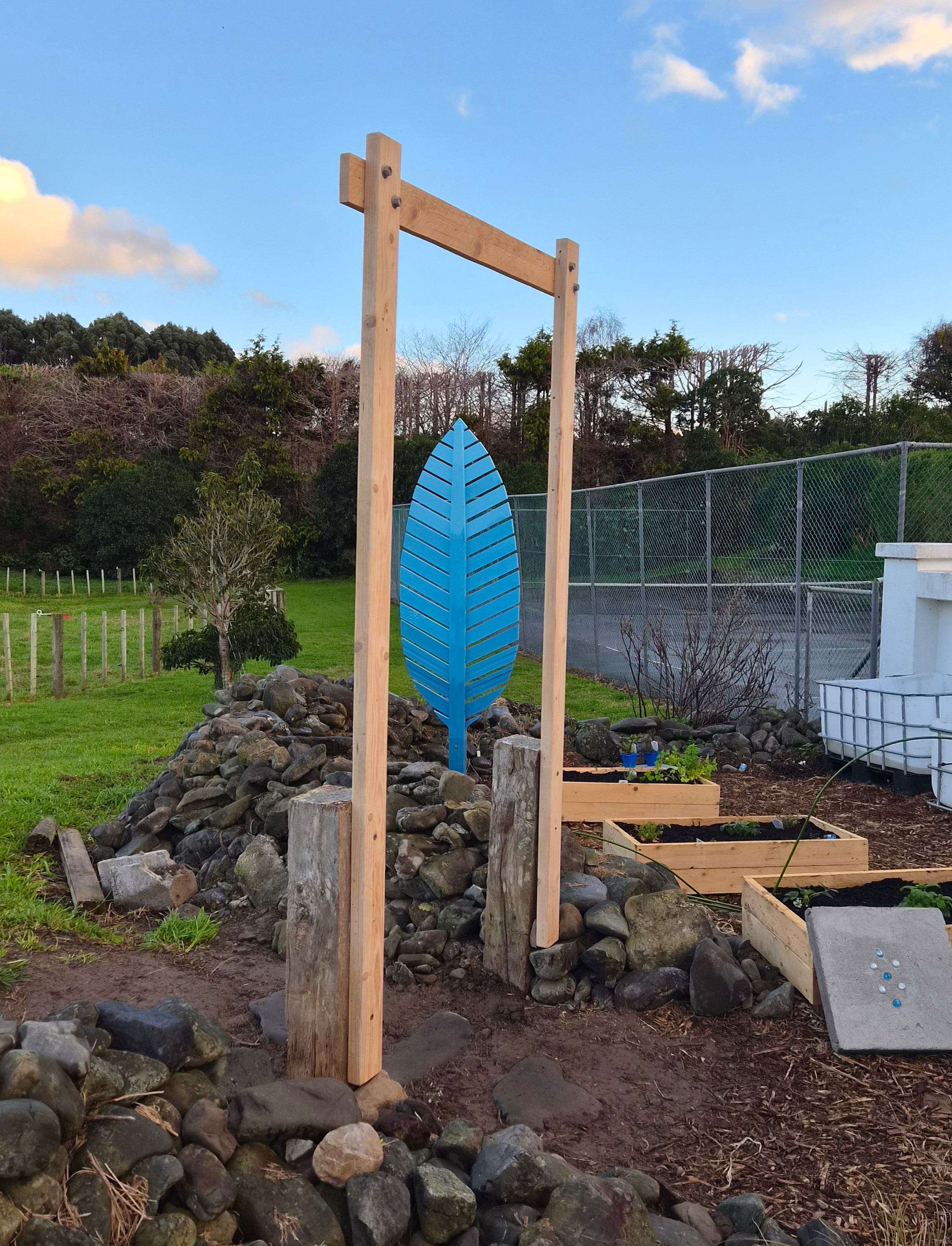
Outdoor options included riding the duo-bike – a special side-by-side tandem bike - around the farm property or along the Waikanae River trails, caring for animals, gardening in the greenhouse and working on a shared garden project with a rock wall. Indoor options included painting, creating mosaic pavers for the new garden and helping in the kitchen.
Shared meals and reflection
After the morning’s activities, everyone gathered for a cooked lunch. This often included a soup and homemade bread. But whatever it was, it was always made with love. Meal preparation and clearing away are shared by those who wish to help.
The day would end with a relaxed group debrief over tea and coffee. VIPs and volunteers talk about what they did, what they enjoyed, what was challenging and what they achieved. The atmosphere is informal, encouraging and often full of laughter.

Measuring the impact
After each session, staff and volunteers used a simple rating system to record each participant’s enjoyment, social interaction and ability. Scores were gathered weekly throughout the six-week trial.
At the end of the pilot, the results will be reviewed to assess the programme’s value and its potential to improve the brain health of those with mild cognitive impairment. Keep your eyes out for those results soon!

Comments